


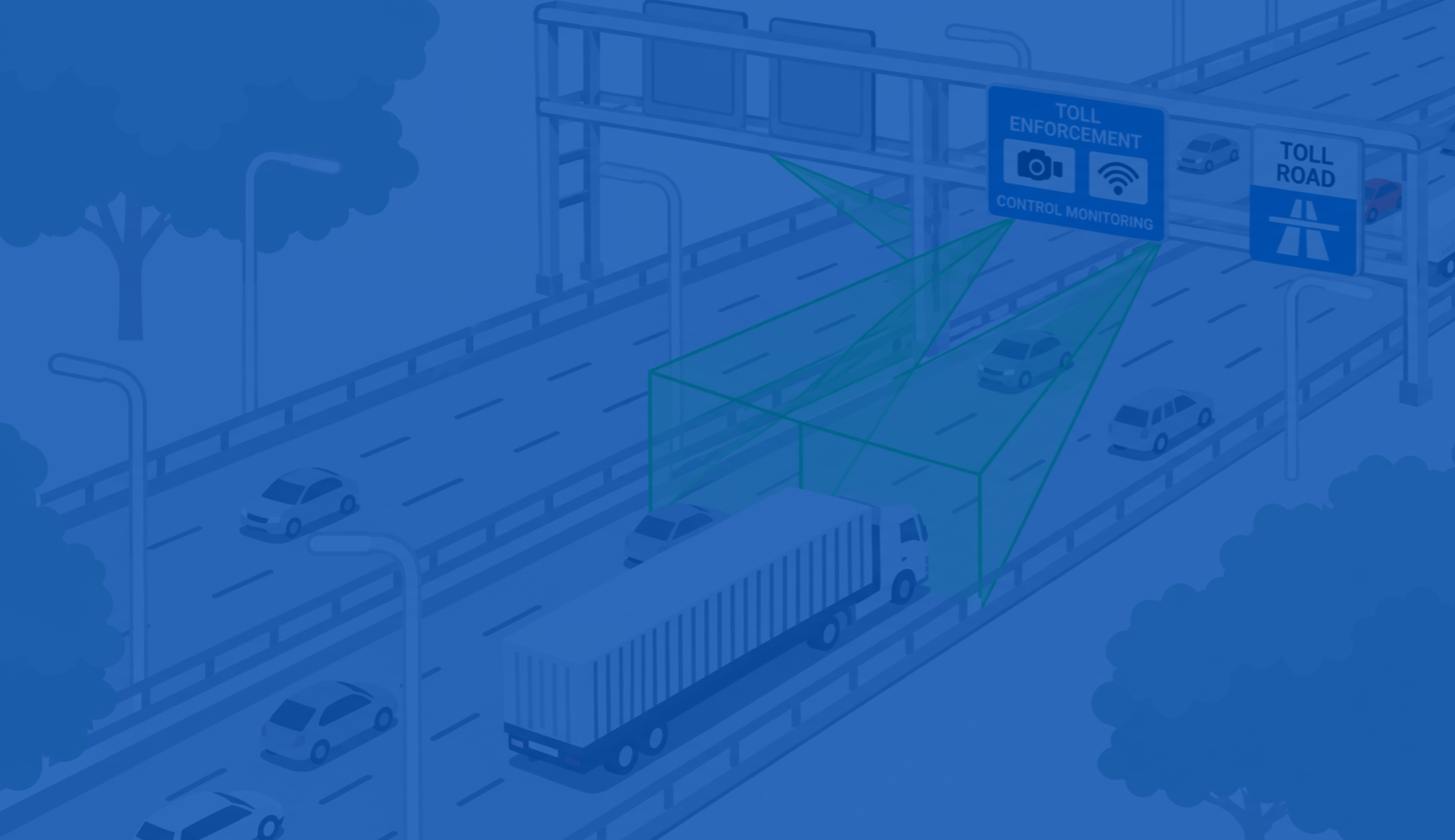
Why Moxa Tolling Networks
Open-road tolling runs on uptime. A reliable Moxa roadside network means fewer missed reads, less manual image review, and far less unplanned maintenance out on the gantry that adds up to more collected revenue and lower total cost of operation.

Revenue Capture
Milliseconds decide the read
Every trigger that arrives on time is a toll that gets collected. At 70 mph a vehicle covers about 3 cm per millisecond, so the sensor trigger has to reach the camera before the vehicle leaves the frame, or the read is lost.

Detection Accuracy
More sensors per lane
Wider sensor coverage means fewer blind spots and fewer vehicles that slip through undetected. Open-road and gantryless designs add PoE cameras, RFID readers, LiDAR and occupancy sensors, and each one needs reliable power and gigabit backhaul to do its job.

Reliability and Reduced Downtime
Cabinets in harsh places
Gantry and roadside cabinets see -40 to 75 °C swings, surge, vibration and very little room to work with. A failure here isn’t a support ticket; it’s a technician in traffic.

Security and Compliance
Payment data on the roadside
Plate images and account data cross public right-of-way, so agencies now require IEC 62443-aligned devices, segmentation and VPN back to the office.
Moxa's Tiered Hardware Solutions
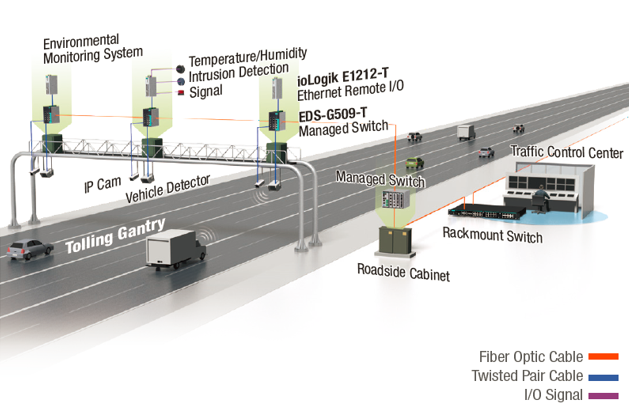
From a single gantry to a statewide open-road program, each part of the toll chain has its own networking job.
MDS-G4000 Series : The Scalable Backbone
Modular managed switches that aggregate traffic from several gantries in one compact chassis, with Layer 3 routing on L3 models.
Key Features:
- Open-chassis design with swappable interface modules
- Mix copper, PoE+, and SFP fiber ports to match each cabinet’s needs
- Turbo Ring, Turbo Chain and VRRP deliver Gigabit redundancy in under 50 ms
- IEC 62443-based security with three-level user access control
- NEMA TS2, EN 50121-4, IEC 61850-3 and IEEE 1613 certified, with dual isolated power inputs
Ideal Application:
Hub cabinets and toll plazas that aggregate several gantry fiber rings and need room to grow.
RKS-G4028 Series: The Rackmount Aggregator
Fixed-configuration Gigabit switches built for the toll plaza equipment room, where traffic from multiple roadside cabinets comes together before reaching the back office.
Key Features:
- 24 Gigabit Ethernet ports plus 4 Gigabit SFP combo ports in a standard 1U, 19-inch rackmount chassis
- Turbo Ring, Turbo Chain and VRRP for the same sub-50 ms redundancy as the MDS Series
- IEC 62443-based security with three-level user access control
- NEMA TS2 certified for roadside and plaza deployment, with dual power inputs for uptime
Ideal Application:
Toll plaza equipment rooms and traffic management centers with existing rack infrastructure, where a fixed port count is sufficient and rack space.
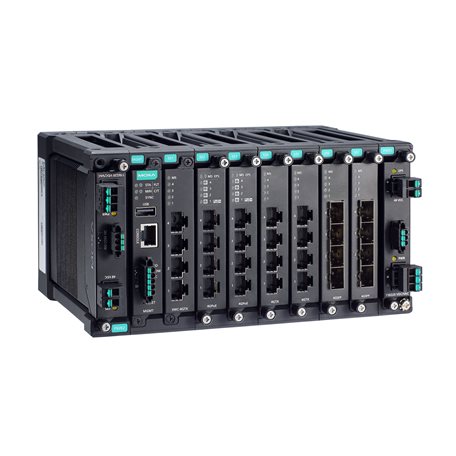

EDS-4000/G4000 Series: The Gantry Workhorse
Compact DIN-rail managed switches that connect and power the cameras, readers and lane controller inside each gantry cabinet.
Key Features:
- 8 to 14 ports in Fast Ethernet or full Gigabit, with 2.5G SFP uplinks on selected models
- PoE models power up to 8 ALPR cameras or illuminators
- IEC 62443-4-2 security and NEMA TS2 listing
- Wide-temperature models rated -40 to 167 °F (-40 to 75 °C)
Ideal Application:
Open-road tolling gantry cabinets running ALPR cameras, transponder readers and a lane controller.

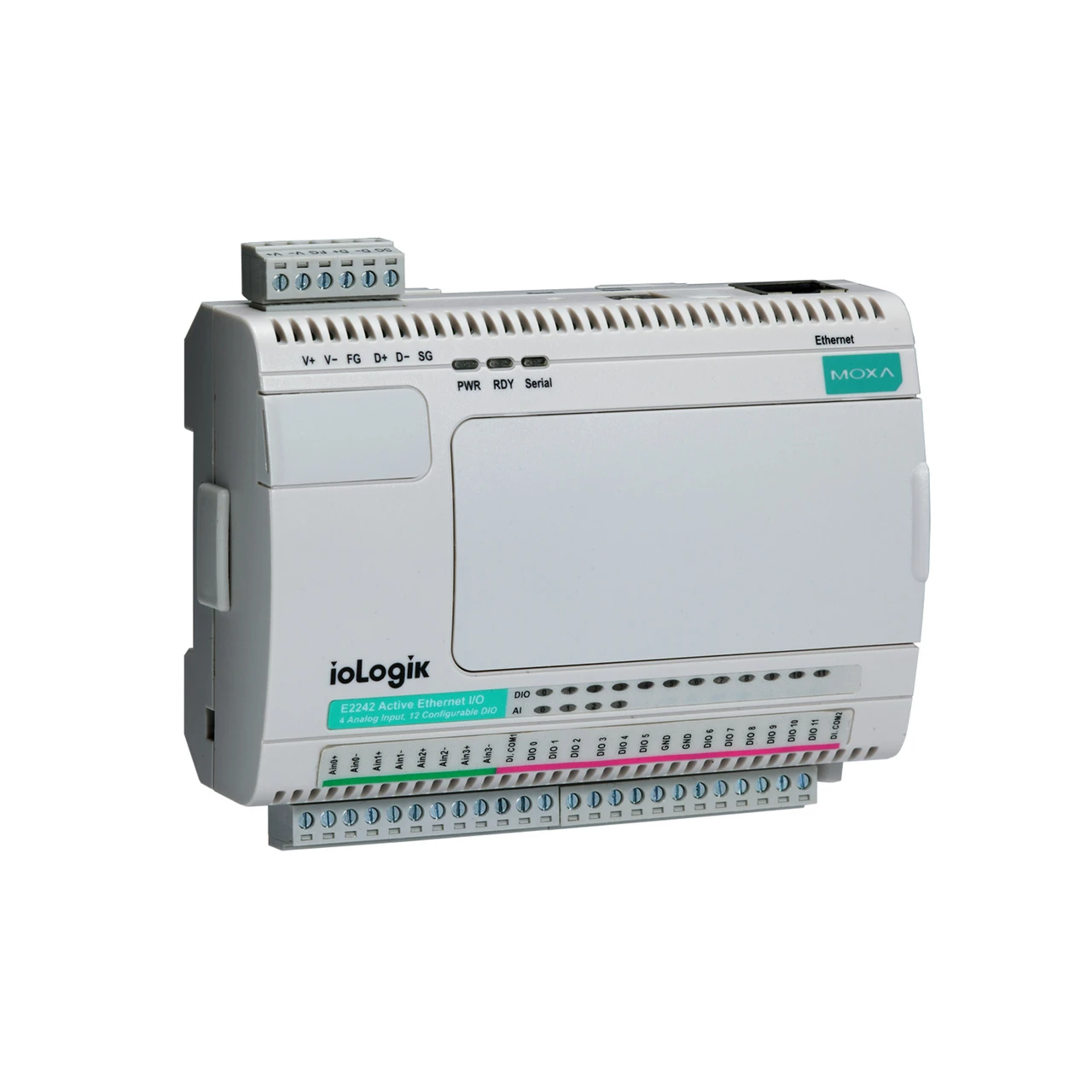
ioLogik E2200 Series: The Trigger
Ethernet remote I/O with built-in Click&Go logic that fires cameras and alarms directly, without a PLC or host computer.
Key Features:
- Up to 20 I/O channels with peer-to-peer messaging
- Click&Go local logic for event-driven triggers
- Modbus TCP and SNMPv3, with active messaging to SCADA
- Wide-temperature models rated -40 to 167 °F (-40 to 75 °C)
Ideal Application:
Turning loop and laser detector signals into camera triggers, proven at under 4 ms on Taiwan's 325-gantry ETC network.
EDR-G9010 Series: The Security Gate
Industrial secure routers that combine firewall, NAT, VPN, managed switching and IDS/IPS in one rugged unit.
Key Features:
- All-Gigabit, with 8 copper ports and 2 SFP ports
- Firewall, NAT and VPN with intrusion detection and prevention
- Designed to IEC 62443-4-2 and listed for NEMA TS2
- Wide-temperature and high-voltage power models
Ideal Application:
Separating lane equipment from the agency back office, with encrypted VPN tunnels for toll data.

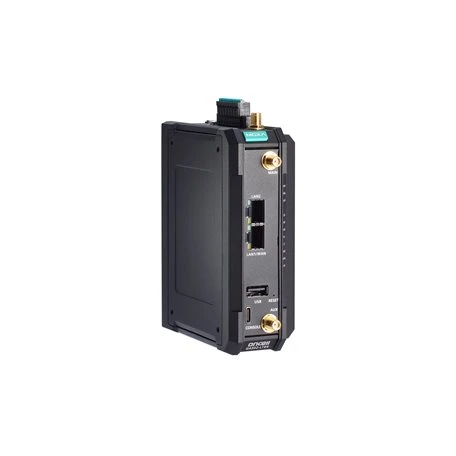
OnCell G4302-LTE4 Series: The Backup Link
All-in-one industrial LTE routers that keep a gantry online when the fiber link drops.
Key Features:
- LTE Cat 4 with US-band models
- Dual-SIM failover and GuaranLink for uninterrupted connectivity
- Built-in firewall and VPN
- NEMA TS2 and E-Mark listed, with wide-temperature models
Ideal Application:
Backup backhaul for gantries, or primary connectivity for remote sites and temporary work-zone enforcement.
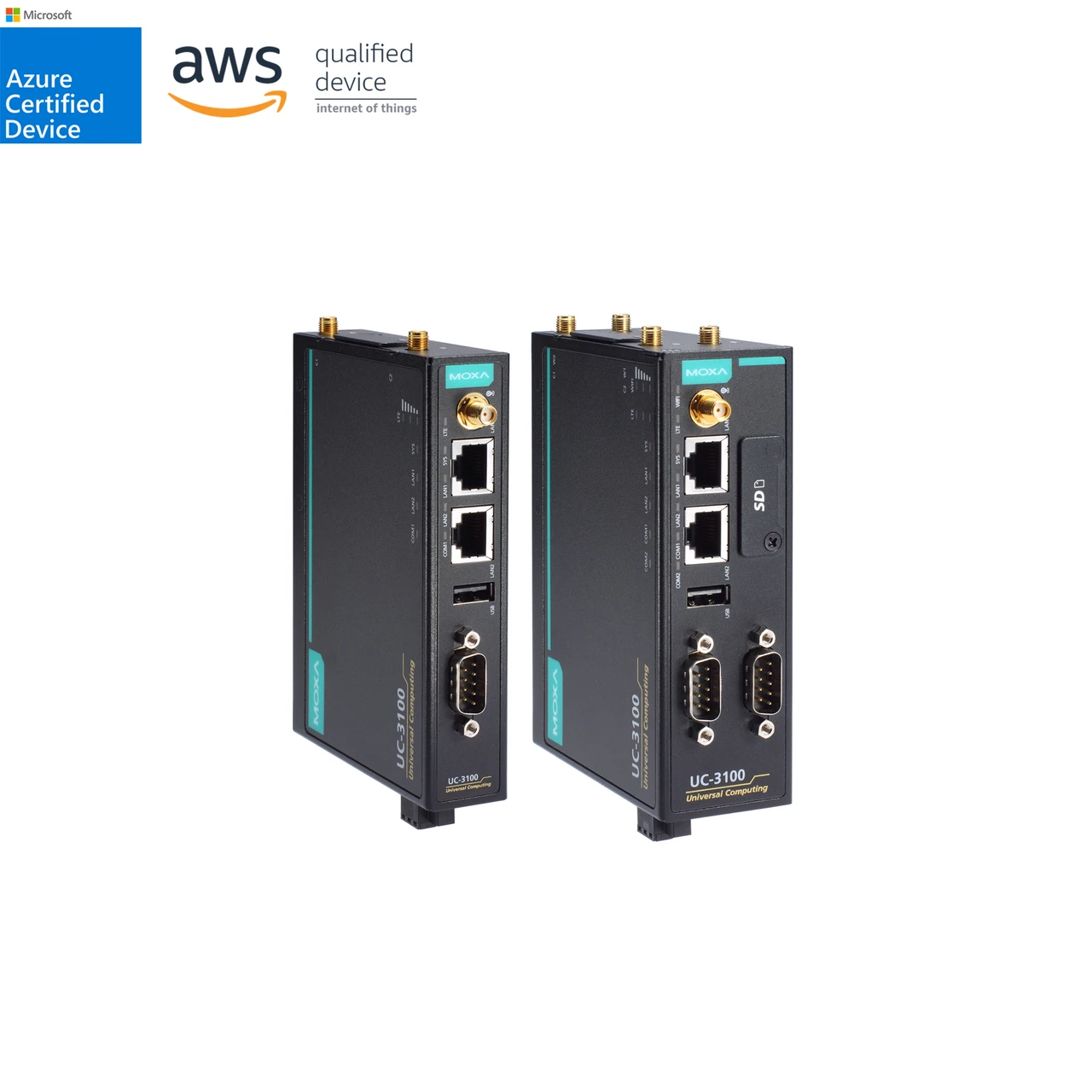
UC-3100 Series: The Edge Gateway
Arm-based IIoT gateways that process roadside data locally and keep it safe when the link is down.
Key Features:
- LTE and Wi-Fi options by region, including US models
- Moxa Industrial Linux with 10-year software support
- Local storage to buffer data and send it when the connection returns
- Rated -40 to 158 °F (-40 to 70 °C)
Ideal Application:
Filtering sensor and vehicle data at the roadside so only what the back office needs crosses the network.
NPort Series: The Serial Connector
Serial device servers that bring legacy RS-232/422/485 lane equipment onto the IP network.
Key Features:
- 1 to 16 serial ports with RS-232/422/485 on every port
- Port buffers that store serial data while the Ethernet link is down
- Secure operation modes, HTTPS console and accessible IP list
- Wide-temperature models rated -40 to 167 °F (-40 to 75 °C)
Ideal Application:
Connecting older transponder readers, vehicle classifiers and VMS controllers during a phased gantry upgrade.

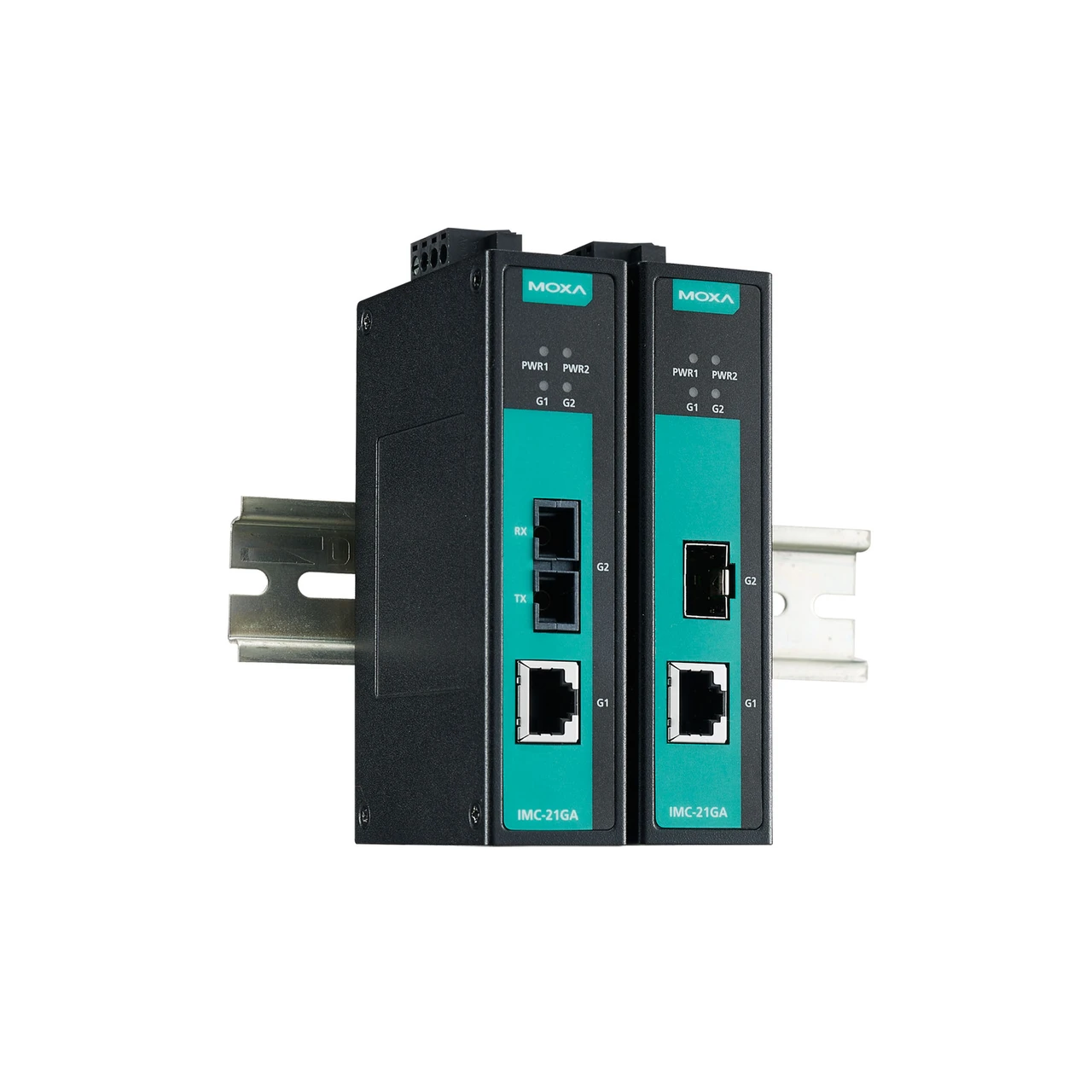
IMC Series: The Distance Extender
Industrial media converters that carry Ethernet over fiber across the long distances between gantries, plazas and the TMC.
Key Features:
- 10/100 or Gigabit copper to multi-mode or single-mode fiber, including SFP-slot models
- Link Fault Pass-Through so a fiber break is reported to the connected devices
- Wide-temperature models; IMC-101/101G models carry C1D2 and ATEX certification
Ideal Application:
Extending a gantry's copper network over fiber to the next gantry, the plaza or the TMC, where copper can't reach.
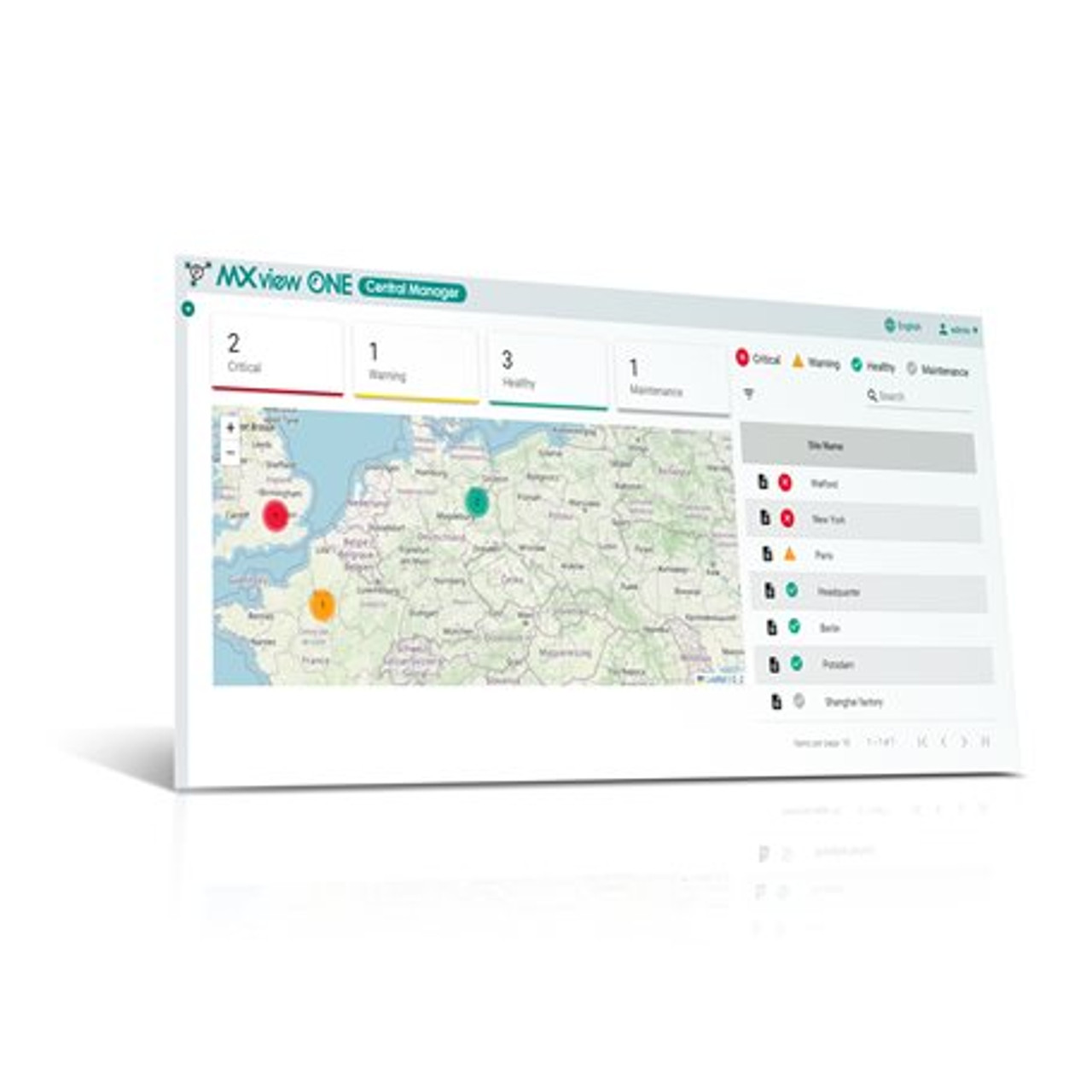
MXview One: The Control Room View
Industrial network management software that shows every device on the toll network in one live map.
Key Features:
- Live topology visualization across Moxa and SNMP devices
- Instant alerts through multiple notification channels
- Dashboards and historical reports
- Embeds into existing IT/OT systems
Ideal Application:
TMC operators monitoring hundreds of gantry devices and catching a failed link before it costs transactions.
Moxa Applications
In all-electronic tolling, every transponder read and toll-by-plate image depends on the roadside network. Moxa designs gantry networks that deliver loop and laser triggers to cameras within milliseconds, carry plate images to the lane controller over gigabit links, and keep a redundant path to the agency back office. More trips post to transponder accounts automatically, and fewer become manual image reviews or toll-by-mail invoices.
Open Road Tolling Gantries
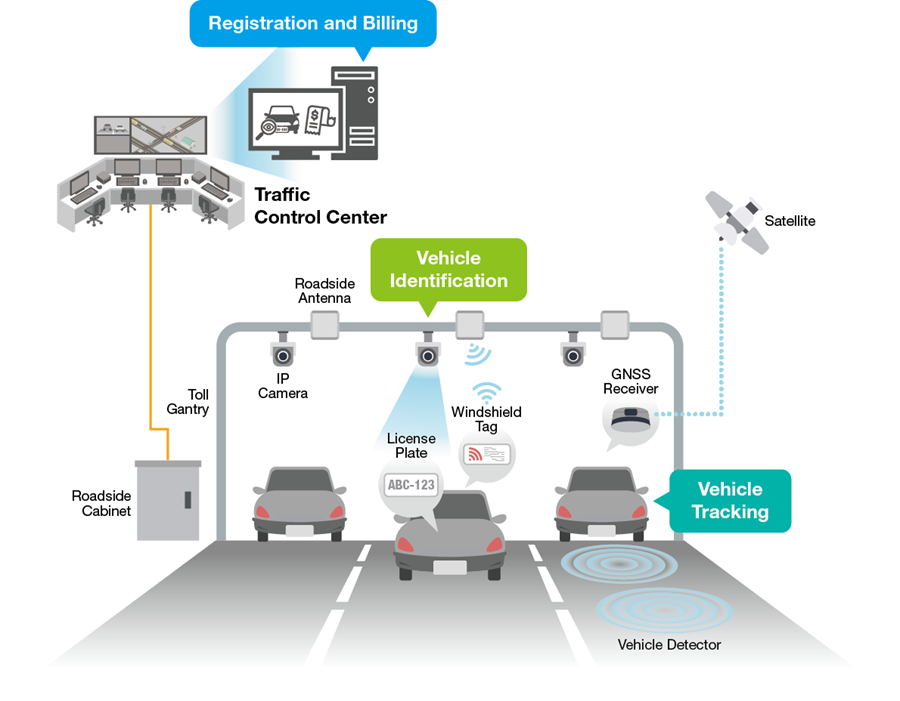
Cameras, RFID antennas, axle loops and a lane controller share one roadside cabinet, and it must stay up around the clock. Agencies from the Bay Area to Richmond, VA are converting plazas to open-road tolling, so the gantry network has become core infrastructure.
Recommended Products
EDS-4008 Series
Gantry Managed Switch
→View product info

EDS-4009 Series
Gantry Fiber Ring Switch
→View product info

EDS-4012 Series
Gantry Switch/Camera PoE
→View product info
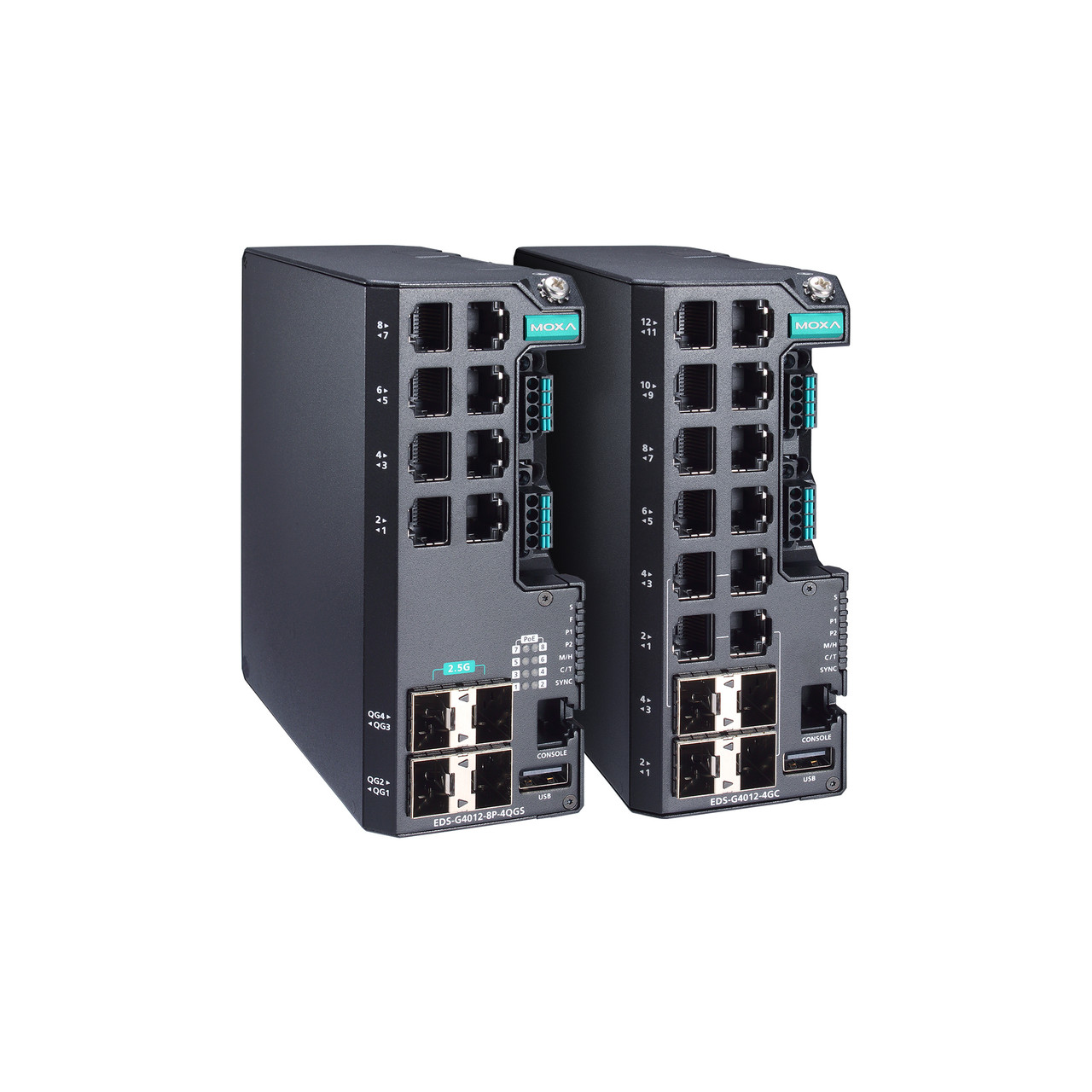
EDS-G4012 Series
Full-Gigabit Gantry/PoE Switch
→View product info

EDS-G4014 Series
Gantry Hub Switch
→View product info
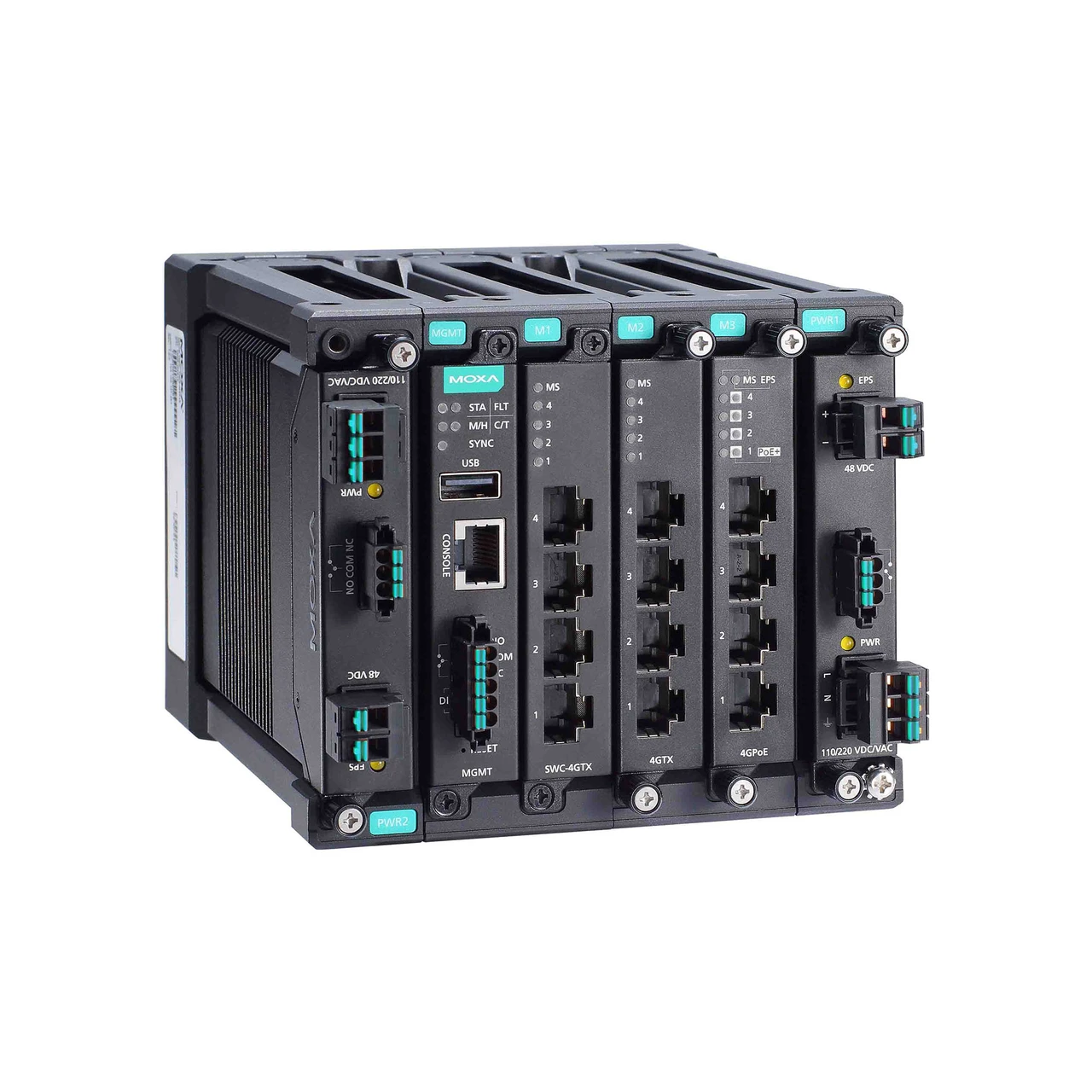
MDS-G4012 Series
Gantry Hub Switch
→View product info
IMC-21GA Series
Fiber Conversion and Optics
→View product info
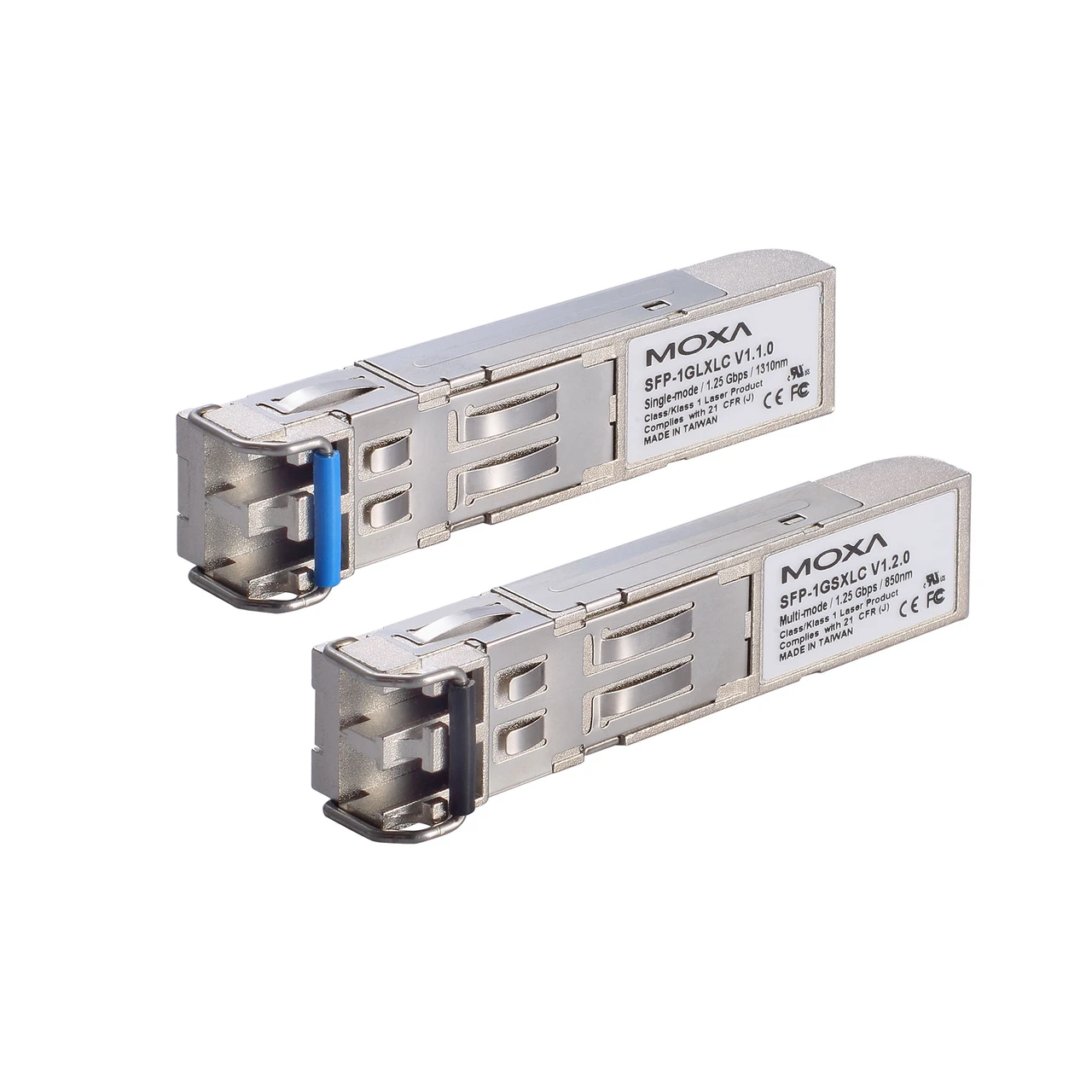
SFP-1G Series
1-port Gigabit Ethernet SFP Modules
→View product info
The EDS-4000/G4000 switches are the gantry's local network, connecting and powering the cameras and readers in each cabinet. Their fiber ports chain gantries into a self-healing ring, and MDS-G4012 aggregates several gantries at a hub cabinet. IMC-21GA converters and SFP-1G optics extend that ring over long fiber runs to the plaza or TMC, so every toll read gets back to the back office.
Vehicle Detection and Camera Triggering

Loops, laser curtains and light barriers have to fire the camera inside a narrow capture window. Ethernet remote I/O with peer-to-peer logic sends triggers directly to the camera, without waiting on a PLC.

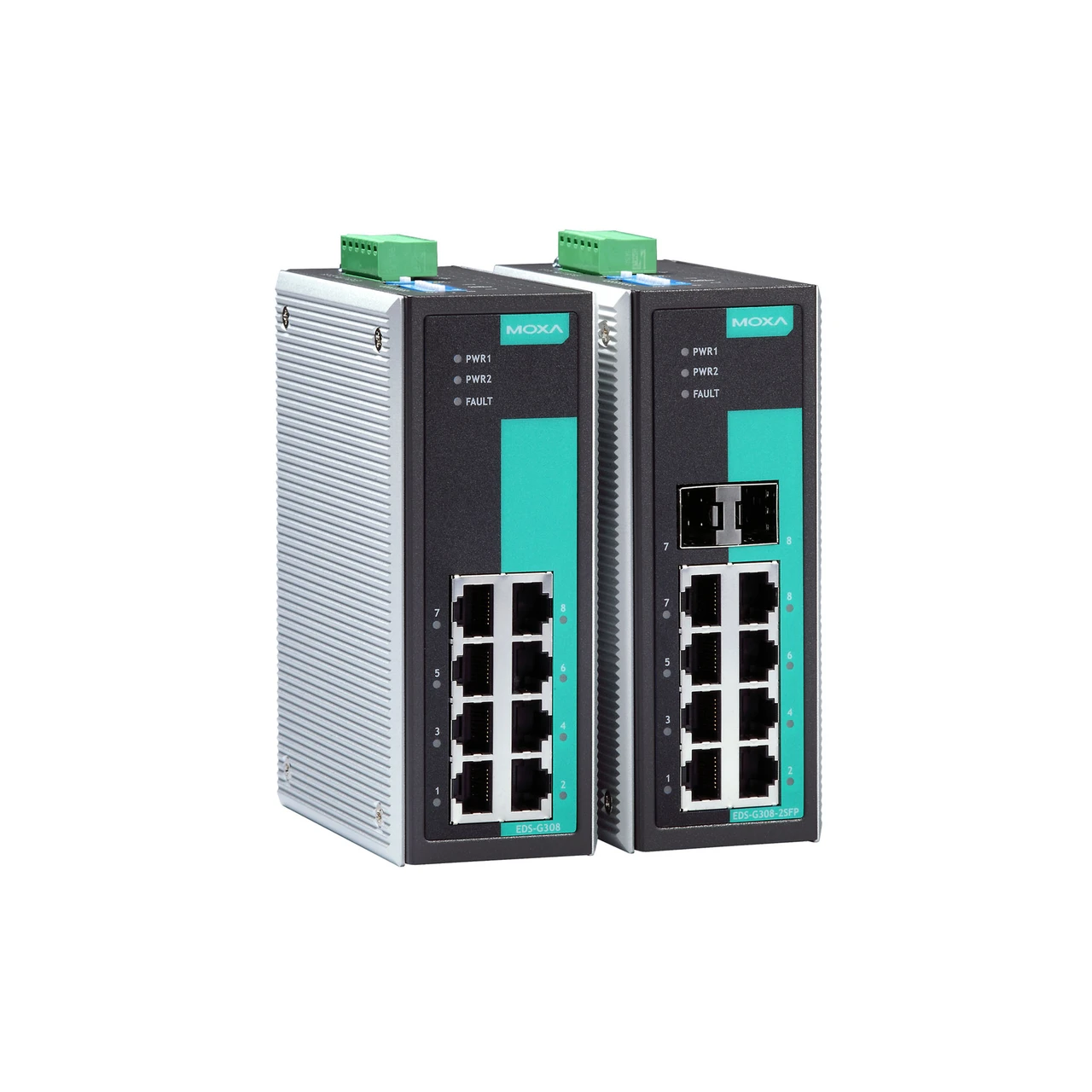
Loop detectors and laser or light-curtain sensors wire into an ioLogik E2200 remote I/O, whose Click&Go logic sends the trigger straight to the camera over Ethernet with no PLC in between. An EDS-G308 gigabit switch links the I/O, cameras and readers in the cabinet. An ioLogik E1200 reports cabinet status such as door, temperature and power to the lane controller and TMC.
Open Road Tolling with ALPR and AI Vehicle Classification
Open road tolling relies on several PoE cameras per lane and edge computing for license plate reads and vehicle classification. A missed plate read turns into a manual review or a toll-by-mail invoice, so the camera network needs headroom in both PoE power and bandwidth.

Recommended Products
EDS-4012 Series
Camera PoE
→View product info
EDS-G4012 Series
Gigabit PoE for Cameras and Illuminators
→View product info
EDS-G205A-4PoE
Unmanaged Switch for PoE Cameras
→View product info

DRP-C100 Series
ALPR and (DIN-Rail) Lane-control Edge Computer
→View product info

BXP-C100 Series
ALPR and (Box) Lane-Control Edge Computer
→View product info
As a vehicle passes under the gantry, PoE cameras powered by the EDS-G4012/EDS-4012 (or EDS-G205A-4PoE) capture its plate and send the images over gigabit links to the cabinet. The DRP-C100 or BXP-C100 edge computer reads the plate and classifies the vehicle on the spot. Only the result and evidence image travel up the switch's fiber uplink to the back office for billing.
Gantryless and Side-Fire Tolling
Gantryless designs skip the full-span gantry. Side-fire 3D LiDAR, AI cameras and occupancy sensors sit on roadside poles or short cantilever arms and replace in-pavement loops. Each pole needs PoE power and a reliable link back to the roadside cabinet. Where trenching fiber to every pole is impractical, an outdoor wireless bridge closes the gap.
Recommended Products

EDS-4014 Series
Cabinet Switch Connects LiDAR, AI Cameras and Occupancy Sensors
→View product info
EDR-8010 Series
Full-Gigabit PoE for Cameras and Illuminators
→View product info
AWK-4252A Series
Pole-to-Pole Wireless Bridge
→View product info

AWK-3252A Series
Pole-to-Pole Wireless Bridge With External Antenna
→View product info
IMC-21GA Series
Converts Copper to Gigabit Fiber
→View product info
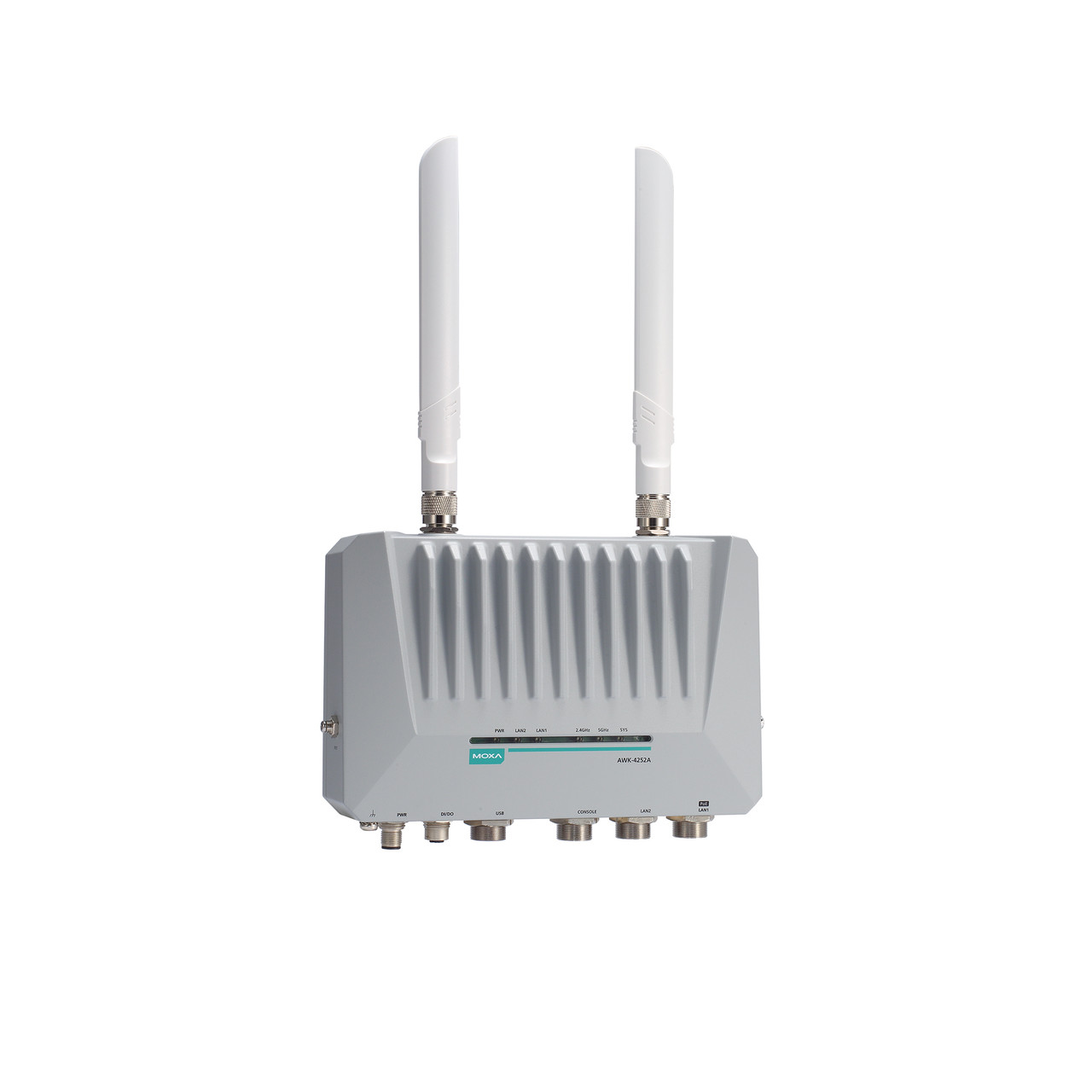
Side-fire sensors on roadside poles detect and classify each vehicle without a gantry. An EDS PoE switch in the roadside cabinet powers and connects them, over fiber (IMC-21GA) or an AWK wireless bridge where fiber can't reach. From the cabinet, the data goes to the lane controller and back office.
Connected-Vehicle (C-V2X) Tolling
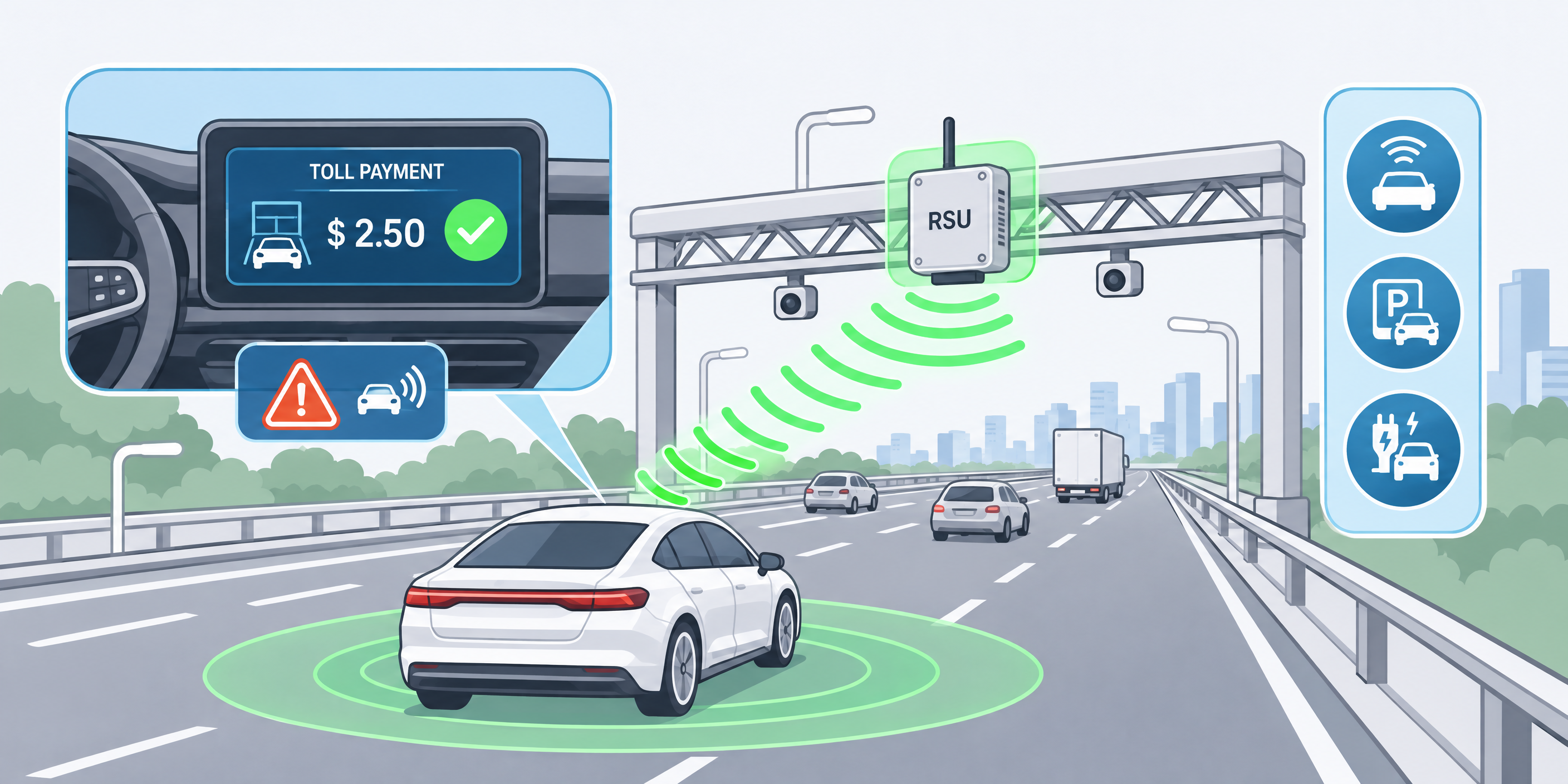
North Carolina's I-485 Express Lanes opened in February 2026 as the first US highway with C-V2X tolling at scale. Roadside units depend on secure, segmented backhaul to the back office.
Recommended Products
EDS-4012 Series
Cabinet Switch Connects RSUs and Uplinks Into Corridor Ring
→View product info
EDS-G4012 Series
Put RSUs Firewall Zone with VPN Back to Agency
→View product info
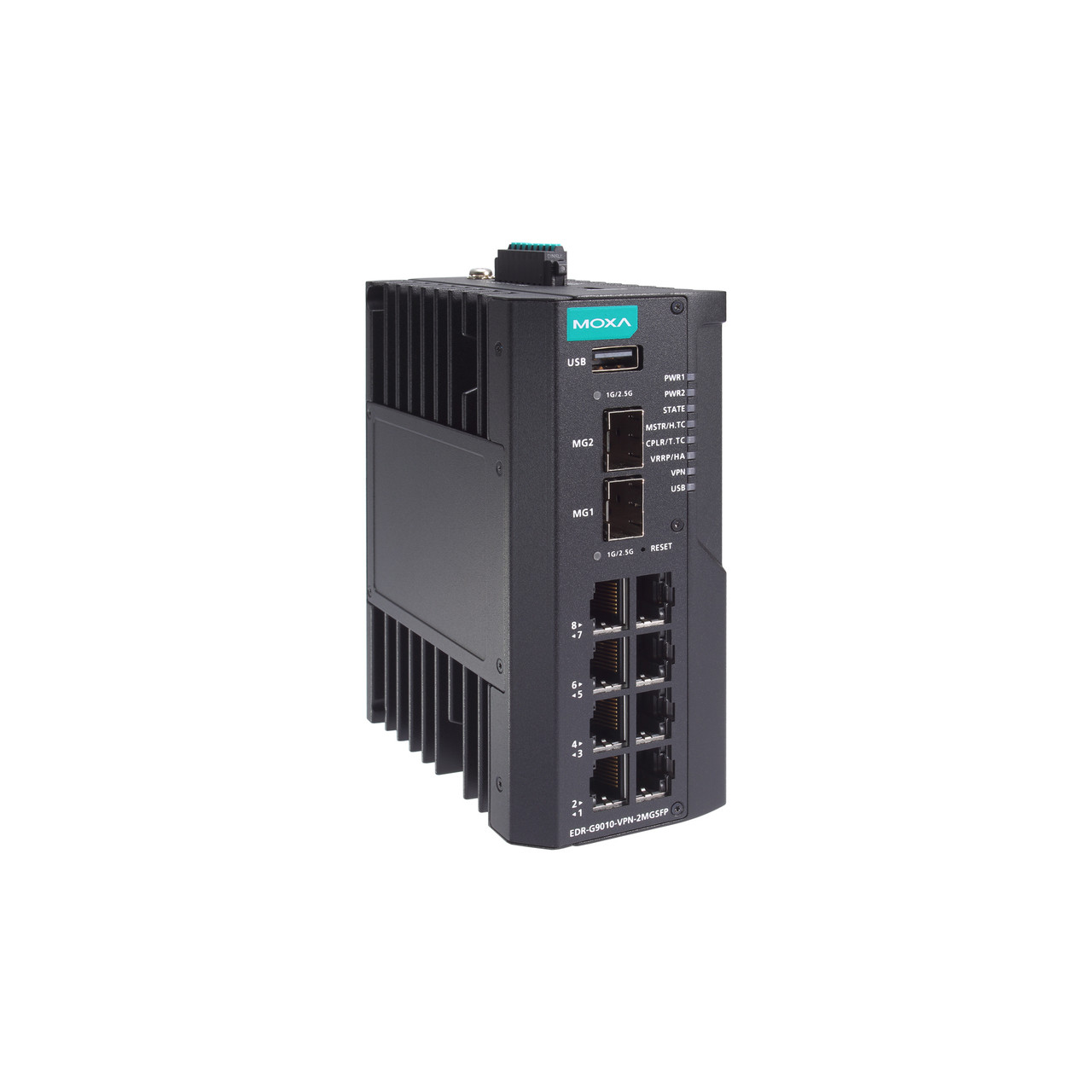
EDR-G9010 Series
Secure Router and Industrial Firewall
→View product info
OnCell G4302-LTE4 Series
Cellular Backhaul and Failover
→View product info
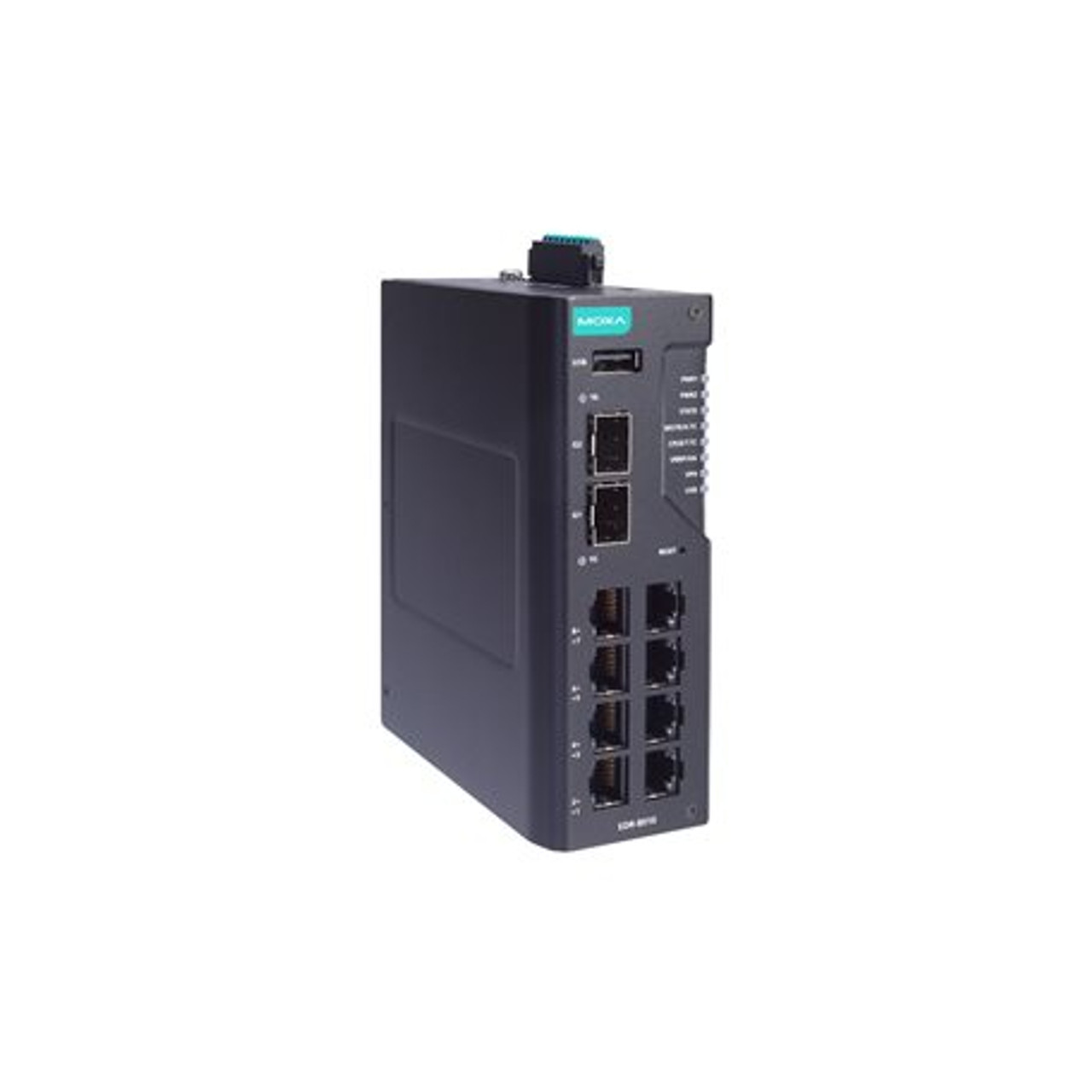
A vehicle's C-V2X unit talks to the roadside unit, which connects to the EDS-4014 switch in the cabinet. An EDR-8010 or EDR-G9010 secure router keeps that toll traffic in its own firewall zone and sends it over an encrypted VPN to the back office, normally through the corridor fiber. If fiber isn't available or goes down, OnCell G4302-LTE4 carries the traffic over LTE instead.
Roadside Cybersecurity
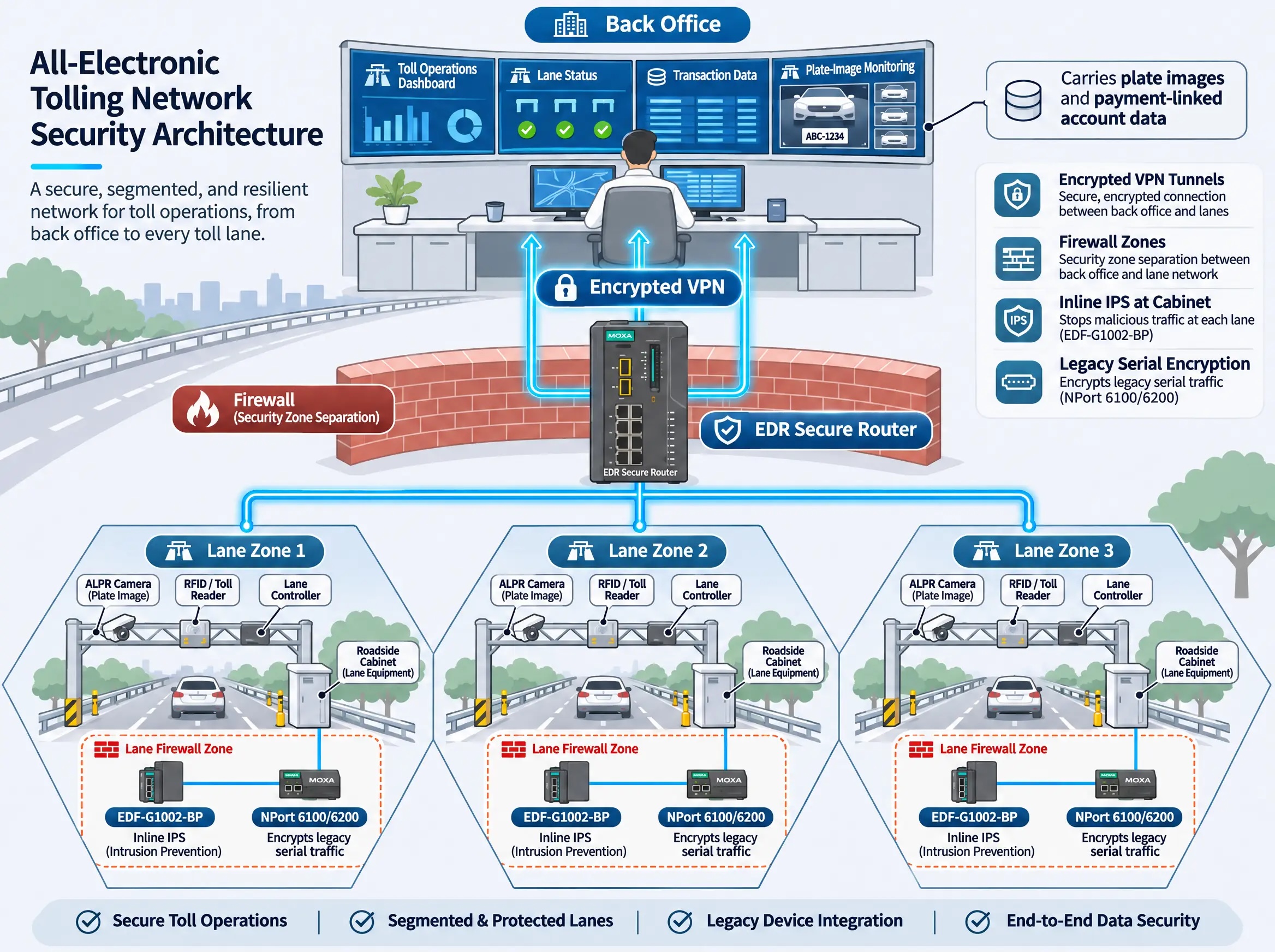
Toll networks carry plate images and payment-linked account data. Use firewall zones between lane equipment and the back office, IPS at the cabinet, and encrypted VPN tunnels.
Recommended Products
EDR-G9010 Series
Secure Router and Industrial Firewall
→View product info

EDR-G9004 Series
4-Port Secure Router and Industrial Firewall
→View product info

EDR-G8010 Series
Secure Router W/ Gigabit IPS
→View product info
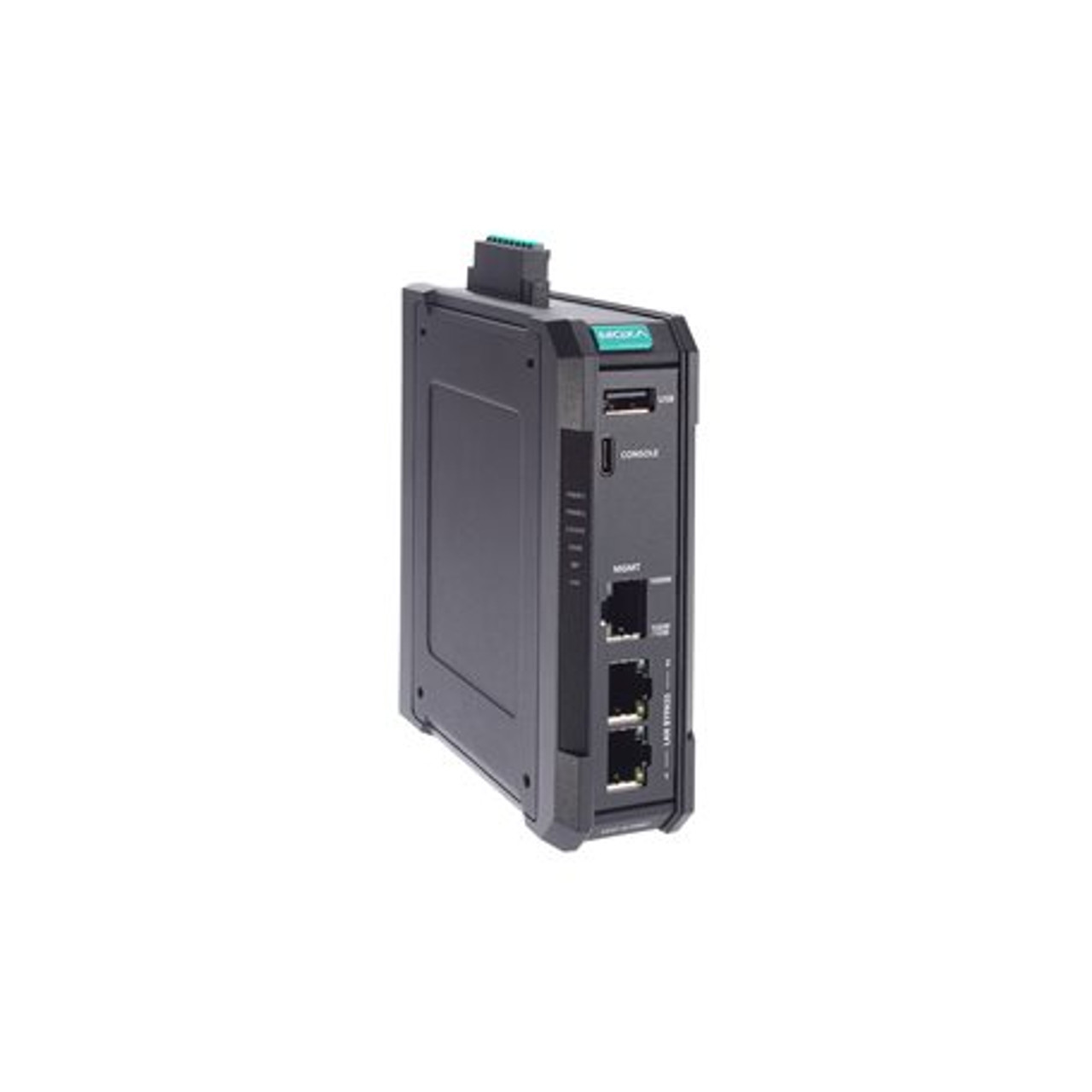
EDF-G1002-BP Series
Inline IPS with LAN Bypass
→View product info
NPort 6100/6200 Series
Secure Serial Server/RS-232/485 Lane Devices Over Encrypted TLS/SSH
→View product info
Lane equipment sits in its own firewall zone behind an EDR secure router, which sends toll data to the back office over an encrypted VPN. EDF-G1002-BP adds inline intrusion prevention in front of existing devices. NPort 6100/6200 encrypt traffic from legacy serial equipment.
Toll Plazas and Traffic Management Centers

Lane data from dozens of gantries is aggregated at the plaza building and TMC, with 10G uplinks and dual power.
Recommended Products
EDR-8010 Series
Cabinet Secure Router
→View product info
EDR-G9004 Series
Put RSUs Firewall Zone with VPN Back to Agency
→View product info
EDR-G9010 Series
Secure Router and Industrial Firewall
→View product info
EDF-G1002-BP Series
Inline IPS with LAN Bypass
→View product info
NPort 6100/6200 Series
LTE Backhaul for RSUs/Fiber Link Failover
→View product info
Fiber rings from dozens of gantries terminate at the plaza or TMC, where an RKS-G4028 rackmount switch, IKS-G6524A, or MDS-G4012-4XGS/-L3 aggregates them and passes traffic to the back office over 10G uplinks (the L3 model also routes between networks). Dual power keeps that core running. MXview One shows the whole network's topology and alarms, so operators spot a failed link or device before it costs transactions.
Remote Sites, Legacy Equipment and Cabinet Health

Rural gantries, work-zone enforcement and phased upgrades need cellular backhaul, serial-to-Ethernet for older AVI readers and classifiers, and alarms for door, temperature and power.
Recommended Products
OnCell G4302-LTE4 Series
Cellular Backhaul and Failover
→View product info
UC-3100 Series
Arm Edge Gateway with Store-and-Forward
→View product info
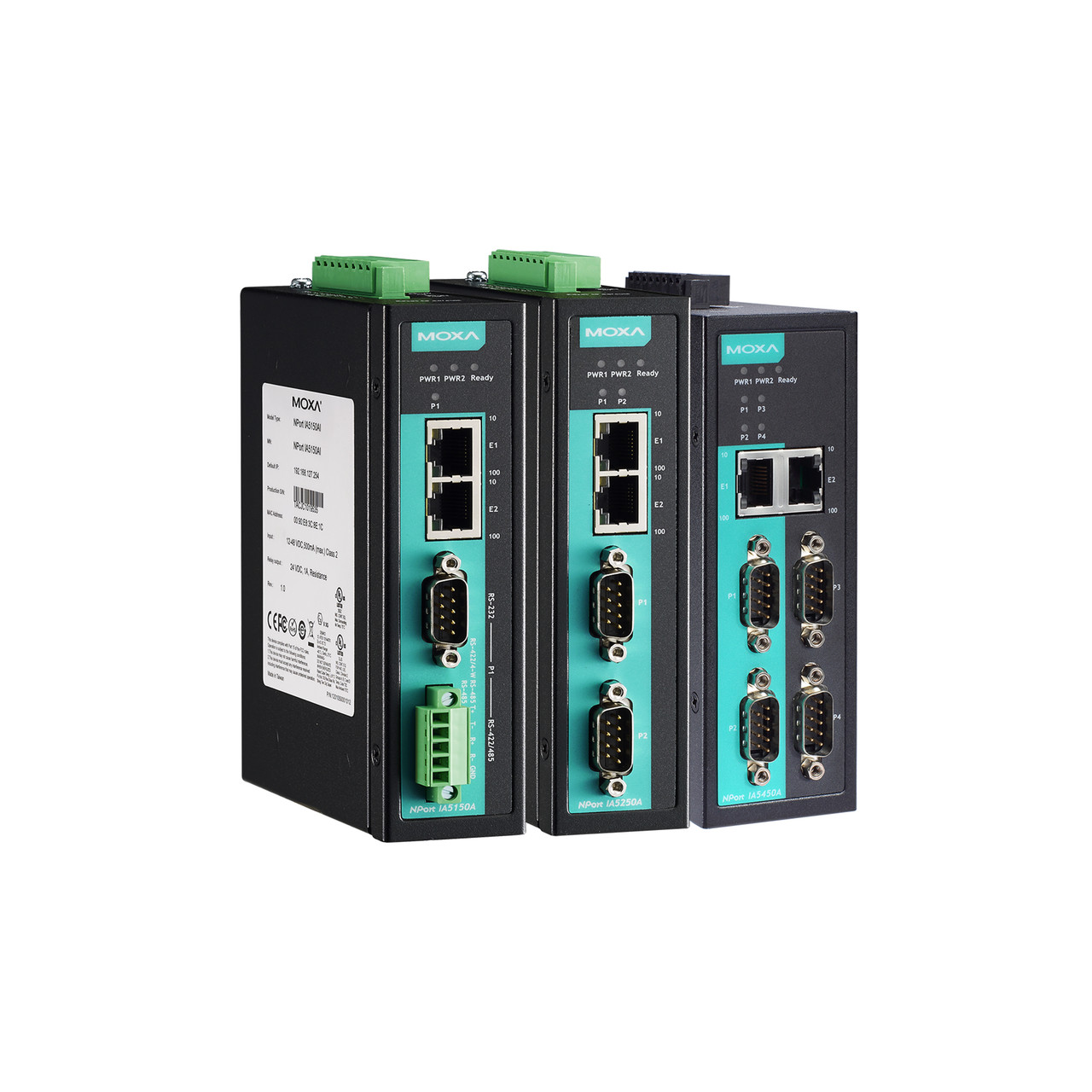
NPort IA5000A Series
Legacy Serial Lane Devices
→View product info
MGate MB3170/MB3270
Serial Lane Devices to SCADA
→View product info
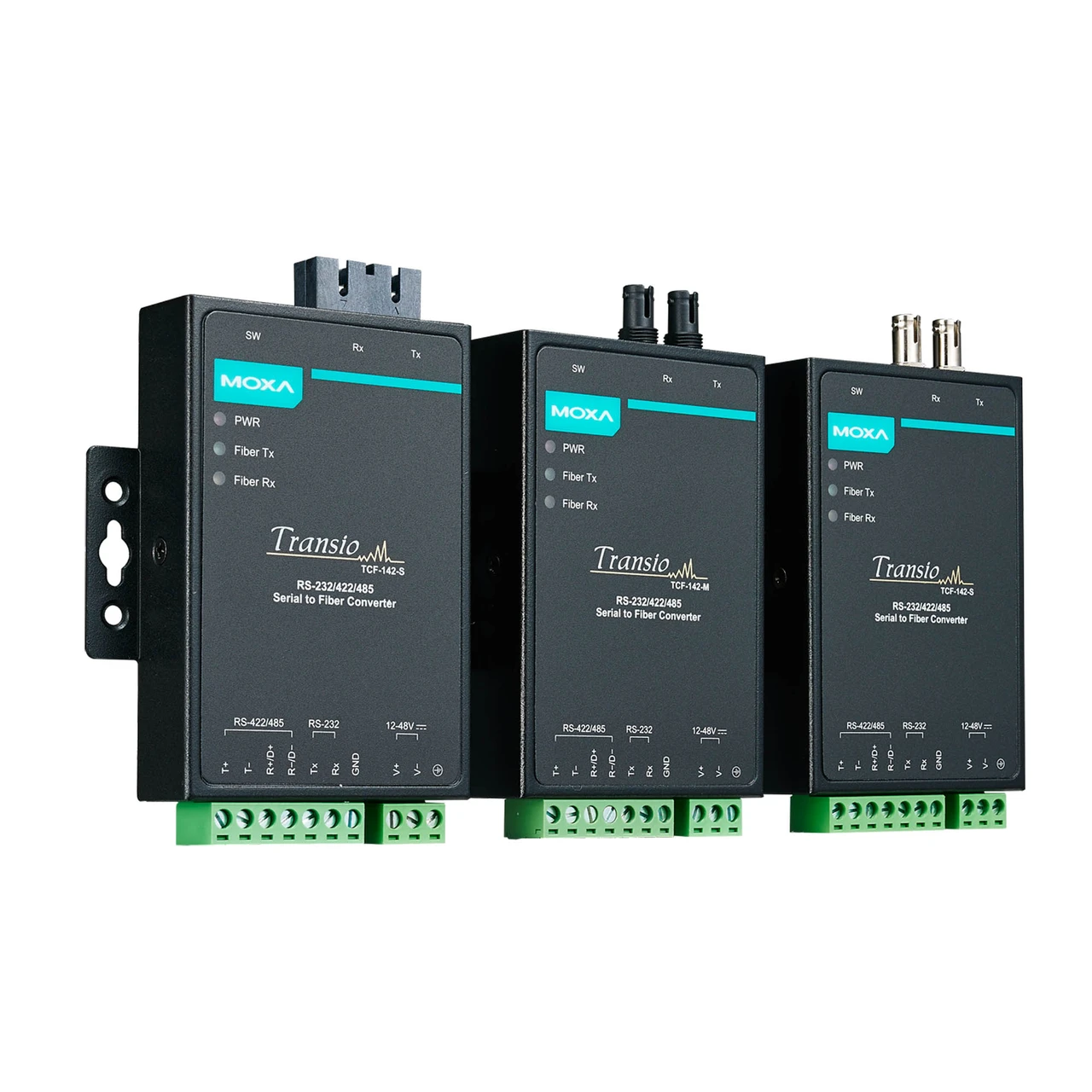
TCF-142 Series
LTE backhaul for RSUs/Fiber Link Failover
→View product info

ioThinx 4510 Series
Cabinet Monitoring I/O
→View product info
At rural or temporary sites without fiber, an OnCell G4302-LTE4 or UC-3100 sends gantry and enforcement data over LTE, and the UC-3100 buffers it locally if the signal drops. In older cabinets, NPort IA5000A, MGate MB3170/MB3270 and TCF-142 bring legacy serial readers and classifiers onto the IP network. An ioThinx 4510 watches door, temperature and power and alerts the TMC before a cabinet fault takes a lane down.

Ready to Connect?
Get in touch with Moxa's certified experts today to discuss your tolling networking needs and get a quote.


